I’ve got growing in my backyard chilli, mint, oregano and
chives but my favourite herb to cook with is sage. It has a strong flavour that
goes well with any sort of Italian meal, and was made famous by Simon and Garfunkel’s
Parsley, Sage, Rosemary and thyme “Scarborough fair”.
Burnt buttered sage sauce
is a brilliant topping to have on Gnocchi. Most herbs are chopped and made to
blend into a meal however sage is a standalone unique crunchy flavour when
cooked I think is brilliant. Full of anti-oxidants its good for you too.
Sage (Salvia officinalis) is a grey-green
perennial woody evergreen sub shrub herb that has been known to reduce muscular
spasms, be used as an antiseptic and improves liver function. To grow sage it needs full sun for most of the
day and will take a long time to establish. Sage prefers dry sunny conditions
so it is recommended not to over water. Don’t plant sage next to cucumbers or
plants from the onion family as they are not companion plants. Plants sage is compatible
with however are rosemary, strawberries, carrots and tomatoes.
We have had our dog Max for ten years now and in those ten
years he has chosen a number of places to sleep. By far his favourite area of
the backyard to lay back and enjoy the sun is the large patch of dwarf Mondo
grass (Ophiopogon japonicus). This wonderful soft perennial plant is native to
Japan and Korea naturally found in forests and woodlands has kept a solid shape
and continues to look good under the constant weight of the big playful Labrador
Retriever. We used to have green couch (Cynondon dactylon)
but despite its acclaimed excellent wear tolerance it was covered in patches mainly
due to the nitrogen in dogs urine.
Something I’ve noticed over the years, Max as well as other
dogs eat grass. Max very rarely eats the mondo grass but he does it enough to
warrant a mention. A theory as to why they do this is they eat it when feeling
sick to relieve stomach aches. The texture of the grass is meant to be slightly
irritating so when their feeling sick, they chew on some to give whatever’s
making them sick a kick out of the system.
Mondo grass may not be the typical grass for a dog, but Max
seems to enjoy it for its taste and confortablity, and we like it because it
can hold its shape without the constant attention the couch needed to avoid
patches.
I have recently become more interested in growing indoor plants,
curious why people prefer buying temporary flowers and displaying them in a
vase, and whether there are good enough reasons to invest more time into caring
for a living plant. I saw an ad the other day for a sharp air purifier the
entire time I was thinking, this is an electronic plant that can easily cost
upwards of $300. And it costs to run 24/7 on electricity which contradicts its
selling point by harming the environment. This machine may be great for asthma sufferers
or patients in hospital but for the average germaphobic person it’s a bit
excessive. A TED talk given by Kamal Meattle seen below emphasises the magnificent
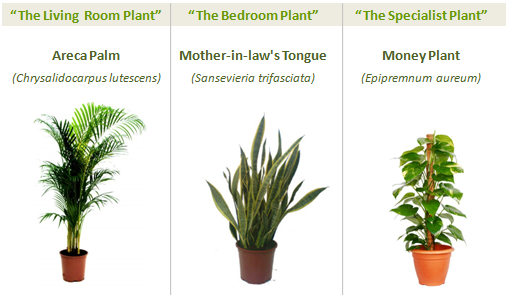
air purifying qualities 3 plants can create in an indoor environment.
TED talk given by Kamal Meattle about growing fresh air.
The reason why many people don’t have indoor plants is
because it sometimes can look tacky or the plants don’t fit in with the look
and feel of the house. But I have seen success where indoor plants give a sense
of peace and make us relax just as an outdoor garden would. Magnificent plants spill
out of hanging baskets, soften walls, climb over side tables and bring life to
corners of the room.
A good first step is to find the right area in the house,
wooden or tiled flooring that can be cleaned easier than carpet. Then choose
the right pots, the right size, shape and colour can be all that is needed for
the plant to fit right in. Studies by Professor Margaret Burchett of the University
of Technology Sydney show that ‘plastic’ or ‘synthetic’ furniture, furnishings
and equipment like computers, copiers and solvents contribute to indoor air
being 2-10 times more polluted than outdoor air. So not only can indoor plants
be stylish, make you feel more relaxed but are a great way of reducing hiding
health risks.
Indoor plants usually come from subtropical climates and are
used to growing in the shaded understory of large canopies. They can survive
the indoor conditions as long as they’re not neglected too much. Why people by
vases of flowers as opposed to growing inside is because no effort has to be
made to keep them alive except one trip to the tap. This is the case for living
plants too, one watering will keep them alive for a similar amount of time, so
instead of going to the florist again and again a simple watering now and then is
much cheaper and can be much easier.
Burchett, M 2011 ‘How
the humble houseplant can improve your health’ Talk given at University
of technology Sydney Wednesday 29 June
2011
Meattle, K 2009 TED TALK link http://www.ted.com/talks/kamal_meattle_on_how_to_grow_your_own_fresh_air.html
The
previous owners of the house had planted Hedera helix, common ivy some 20yrs ago directly underneath the Grevillea
robusta,Australian
Silver-oak. Rightly thinking that it being the largest species
in the genus Grevillea being
20-25m tall it would be able to support itself despite the ivy attempting to
strangle it. However neglecting the fact it would cause the tree some harm and
would require maintenance to restrain it from twisting and twining along the
fence, the shed and along the ground to find other poor trees to hang off. We
had been cutting back the ivy, which unkempt could reach heights of 20-30m.
Curiosity drove us to get rid of it entirely, to
see what it would look like to have it gone. It took only 15minutes to remove
the ivy from the tree itself and dig it out. The hardest part by far was
digging around and under the root which was much longer than expected (3m).
Cutting back the foliage using an electric hedge trimmer was not successful,
found it much easier to just use secateurs. Pulling it away from the wire that
had been used to encourage the climbing while cutting it into sections.
The end result completely got rid of all the ivy
which left the trunk of the tree bare. The brown truck looks strong and much
better than the odd looking sleave the ivy made.
As seen at the top of the photo to the right New Zealand flax Phormium tenax has been planted
amongst a hedge of Buxus microphylla. The
large foliage is 1.5m tall, but not fully grown yet and strikes through the
hedge creating a nice crown like shape.
The flax can be used to make paper and
woven into baskets, sails, clothing and artworks that originally began when the Maori
arrived in New Zealand. However the practical uses of the foliage weren’t
driving the decision to plant more to fill in the space left by a dead rose
bush. Nor was it the flowers, it was the striking foliage colour
and structure that brought fullness to the empty area beside the colourless wall.
Winter is coming and the time for the Phormium tenax to flowerhas long gone the aesthetic qualities of plant remains however throughout the year. The benefit of choosing plants that have appealing foliage is they can be aesthetically pleasing all year round.
Rosa floribunda 'Iceberg' is the missing plant not seen in the photo to your left. The rose died as mentioned before a couple of months ago and had been looking sad for a long time prior. Iceberg rose is climbing vigorous bushy plant that needs good drainage and acidic soil, unlike the New Zealand flax which is happy under poor drainage due to it being found mainly in swaps or low lying areas and variable soil conditions. The Iceberg rose last flowered early January this year but was not very healthy.
Sometimes there are successes, other times plants don't succeed. The message of this post is that sometimes the less typically aesthetic plants can work with other types of foliage to create long lasting easy to manage gardens. As well as the occasional woven sail.
On the weekend I finally removed the last couple of Agapanthus
and replaced them with some much more interesting Gardenias. The Agapanthus were
once a part of a row forming a living fence line along the footpath outside my
house.
Agapanthus are considered weeds by many people in Victoria
and now I’m one of them, in my local area they are one of the most common plants,
my neighbour still having these natural boring bricks as a fence. Agapanthus are
self propagating weeds and they were spreading into other parts of the front garden
so I wanted to get rid of them once and for all, this is how I went about it. I
chose not to use poison because I heard they are highly resistant and will take
a lot if not fully removed from the ground.
Step 1. Grab a pair of
gloves. The leaves ooze out a gross milky white substance which can give you a
rash. Next a wheelbarrow and sharp shovel. I find it easier putting the weeds
straight in the wheelbarrow or compost bin rather than making a pile especially
this time when they are quite heavy plants if removed in large clumps.
Step 2. Which is where the
shovel comes in, I held back the leaves or I guess you could cut them back and vertically
push the shovel through the base of the leaves to cut into and through the
rhizomes. Segmenting the plant into a sizable chuck. They then lift out easily.
Step 3. I then dug deep
into the ground, about 10cm, scarified the top soil to loosen the remaining
rhizomes and roots, some being very small and raked them into a pile.
Step 4.Once all of the
Agapanthus were removed including the rhizomes it took a few wheelbarrow loads to
take them to the boot of the car which I had previously layered with a tarp to
protect the interior. These weeds I took straight to the dump around the corner
which does green waste disposal on Sundays only. The tarp can then be pulled
from the top and bottom, bringing with it all of the plant material.
The space left where the once dominating fence line of average
Agapanthus needed filling by a much more gentile plant that would draw you eye though
the front yard and highlight more exciting plants. The Gardenias were the
perfect low height, non-invasive plant that was interesting enough to be
accepted as a part of the garden rather than used as a barrier blocking the
eye.